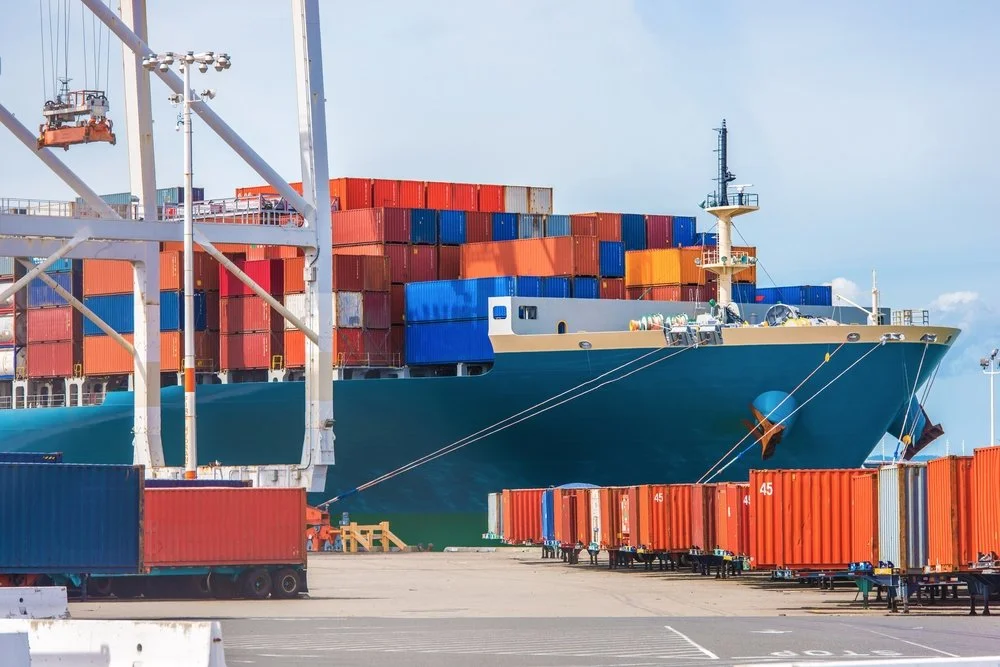
A vessel's arrival at its destination port is an important milestone in international transportation, but it does not necessarily mean the cargo is immediately available for delivery.
After a vessel arrives, containers must be discharged and processed through the terminal. Applicable customs requirements must also be satisfied before cargo can be released.
Container availability, documentation accuracy, terminal operations and trucking arrangements can influence how quickly shipments move beyond the port.
For importers, understanding these additional steps is essential to managing delivery schedules and inventory planning.
A vessel may arrive on time while a shipment experiences delays related to terminal processing, customs clearance or container pickup.
These circumstances can affect warehouse appointments, inventory availability and customer delivery commitments.
Effective shipment planning requires visibility into the entire transportation process, from vessel arrival through cargo release and final delivery arrangements.
Compass Forwarding understands the importance of coordinating international cargo movements and addressing shipment requirements at each stage.
By considering the factors that influence cargo availability after vessel arrival, businesses can establish more realistic delivery expectations and make informed transportation decisions.